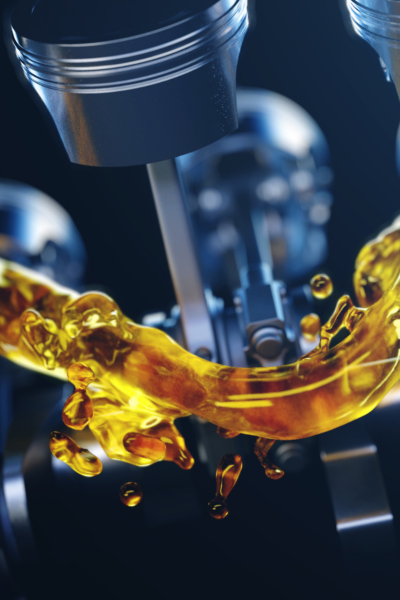
Gear oil is a lubricant used in manual transmission, differentials, and other gearboxes to reduce friction and wear between the gears. It is typically thicker than engine oil and is designed to withstand high pressures and temperatures.
Gear oil is used to lubricate the gears in a transmission or differential, which are responsible for transferring power from the engine to the wheels. The gears in these systems are under high stress and can generate a lot of heat, which can cause damage if not properly lubricated. Gear oil helps to reduce friction and wear between the gears, which can increase their lifespan and prevent damage to the transmission or differential.
The viscosity, or thickness, of gear oil is important for ensuring proper lubrication and preventing damage to the gears. Gear oil is typically available in different viscosities, which are specified by the manufacturer for the specific transmission or differential. It is important to use the recommended type and viscosity of gear oil for the specific application to ensure proper lubrication and prevent damage.
Like engine oil, gear oil can become contaminated over time with dirt and debris, which can reduce its effectiveness and cause damage to the transmission or differential. It is important to change the gear oil periodically, typically every 30,000 to 50,000 miles, or according to the manufacturer's recommendations.
Gear oil is used in manual transmissions, differentials, and other gearboxes to lubricate the gears and bearings and reduce friction and wear. It helps to transfer power from the engine to the wheels and protects the gears from damage due to high pressures and temperatures.
The specific application and type of gear oil required will depend on the manufacturer's recommendations for the vehicle and the type of gearbox. It is important to use the recommended type and viscosity of gear oil for the specific application to ensure proper lubrication and prevent damage.
To use gear oil, the vehicle must be raised and supported securely on jack stands to allow access to the gearbox. The old gear oil is then drained from the gearbox, and the drain plug is replaced. The fill plug is then removed, and the new gear oil is added to the gearbox until it reaches the recommended level.
It is important to check the owner's manual for the recommended frequency of gear oil changes for the specific vehicle. In general, gear oil should be changed every 30,000 to 50,000 miles, or according to the manufacturer's recommendations.
We’ve been helping cities, utilities, automakers, EVSE suppliers and commercial businesses take advantage of clean energy benefits that smart charging infrastructure affords. Our solutions deliver savings to drivers, businesses and grid operators.
Do I have to commit to a contract?
With any financial product that you buy, it is important that you know you are getting the best advice from a reputable company as often you will have to provide sensitive information online or over the internet.
What Payment Methods Are Available?
With any financial product that you buy, it is important that you know you are getting the best advice from a reputable company as often you will have to provide sensitive information online or over the internet.
If I have questions, where can I find answers?
With any financial product that you buy, it is important that you know you are getting the best advice from a reputable company as often you will have to provide sensitive information online or over the internet.
Consultants For All Manufacturing And Industrial Needs!
Fortis Group is recognized as one of the World's leading Industry and Manufacturing Co serving an impressive list of long term clients with expertise. Our worldwide presence ensures serving you with expertise as one of the leading Corporation!
Interested in cooperation or have questions? Just fill out the form and we will call you back. Or you can call us and we will provide the necessary help!